Brahmi Ghodtapre Herb: 7 Powerful Benefits for Brain and Memory Boost
In many homes across Nepal, people still remember grandparents collecting small green herbs from moist fields, riverbanks, and village gardens. Among those humble plants, one herb quietly held a special place in traditional wellness culture — the Brahmi Ghodtapre Herb.
Today, modern life feels faster than ever. Students struggle to focus, professionals face digital stress, and communities slowly drift away from nature-based living. Many young people in Nepal now spend more time with screens than with soil. Yet, surprisingly, traditional herbs like the Brahmi Ghodtapre Herb are making a meaningful comeback.
This gentle medicinal herb is not only respected in Ayurveda and traditional healing practices but is also becoming important in discussions around sustainability, organic farming, and natural wellness. Around the world, researchers, herbal growers, and eco-conscious communities are rediscovering the value of local herbs that support both people and the planet.
As someone deeply connected with technology, agriculture, and community-based innovation, I believe the future is not about choosing nature or technology. The future belongs to those who can respectfully combine both.
Understanding Brahmi Ghodtapre Herb in Nepal
The Brahmi Ghodtapre Herb is commonly known in Nepal as “Ghodtapre.” In scientific communities, it is often associated with plants like Centella asiatica or Bacopa monnieri, depending on local usage and regional traditions.


For generations, villagers in Nepal used this herb in homemade remedies, herbal drinks, and natural wellness practices. In many rural areas, Ghodtapre naturally grows in damp soil, near water sources, and in shaded farmland.
Traditionally, people believed the herb supported:
- Mental calmness
- Better concentration
- Balanced lifestyle
- Natural vitality
Although traditional beliefs exist, it is important to approach herbal use responsibly and consult qualified health professionals when needed.
The Brahmi Ghodtapre Herb also represents something deeper in Nepalese culture — a reminder that nature itself can become a teacher when treated with respect.
Why Brahmi Ghodtapre Herb Matters Today
Modern society is experiencing rising stress, environmental imbalance, and unhealthy lifestyles. This is why natural herbs are attracting renewed attention globally.
1. Connection with Natural Wellness
People are increasingly searching for plant-based wellness alternatives. The Brahmi Ghodtapre Herb fits naturally into this movement because it has long-standing cultural roots and sustainable growing potential.
2. Support for Sustainable Agriculture
Unlike many commercial crops that require intensive chemicals, Brahmi can often grow in eco-friendly conditions with relatively low environmental impact.
This creates opportunities for:
- Organic farming
- Small-scale herbal businesses
- Community farming cooperatives
- Eco-tourism and herbal education
3. Preservation of Indigenous Knowledge
Nepal holds rich herbal wisdom passed through generations. Unfortunately, globalization has caused much of this knowledge to fade.
Protecting herbs like Brahmi Ghodtapre Herb also helps preserve local identity and cultural heritage.
4. Economic Potential for Rural Communities
As global demand for herbal products increases, Nepalese farmers could benefit from cultivating medicinal herbs responsibly.
According to the World Health Organization, traditional medicine continues to play an important role for millions of people worldwide.
Similarly, the Food and Agriculture Organization (FAO) highlights the importance of biodiversity and sustainable agriculture for future food systems.
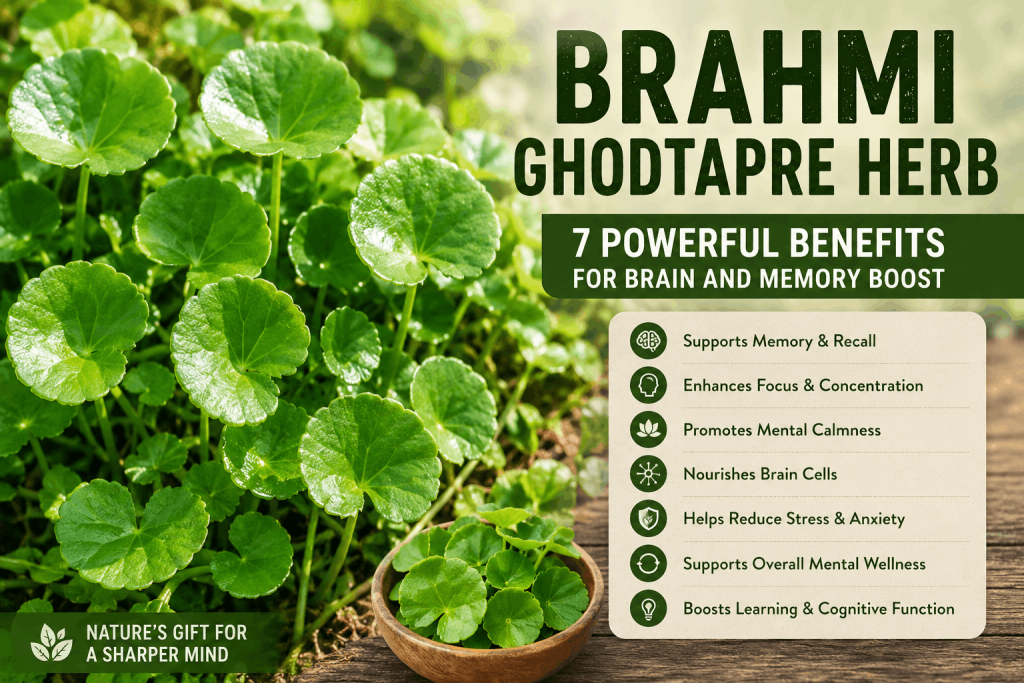
7 Powerful Benefits for Brain and Memory Boost
1. Traditionally Associated with Memory Support
The Brahmi Ghodtapre Herb has historically been linked with memory-focused herbal practices in South Asia.
2. Helps Encourage Mental Calmness
Many people consume herbal preparations to support relaxation and balanced daily routines.
3. Supports Sustainable Herbal Living
Growing local medicinal herbs reduces dependency on heavily processed imported wellness products.
4. Encourages Connection with Nature
Gardening and herbal farming can improve emotional well-being and environmental awareness.
5. Supports Biodiversity
Medicinal herbs help diversify farms and protect ecological balance.
6. Potential Opportunities for Herbal Entrepreneurship
Youth in Nepal can explore herbal farming, eco-products, and digital agricultural platforms.
7. Bridges Ancient Wisdom with Modern Innovation
The most exciting benefit may be the ability to combine traditional knowledge with AI-powered agriculture and sustainability systems.
Role of Technology, AI & Innovation in Brahmi Ghodtapre Herb Farming
As Bhuone, I strongly believe Nepal should not fear technology. Instead, we should guide technology with wisdom and ethics.


The future of herbs like Brahmi Ghodtapre Herb may involve:
AI-Based Smart Farming
Artificial intelligence can help farmers monitor:
- Soil moisture
- Temperature
- Disease risks
- Water efficiency
Automated Irrigation Systems
Low-cost automation tools can reduce water waste while improving herb quality.
Drone Mapping & Farm Analytics
Modern mapping systems can identify healthier cultivation areas for medicinal plants.
Digital Herbal Education
Online learning platforms can teach farmers:
- Organic cultivation methods
- Sustainable harvesting
- Safe packaging practices
- Market access strategies
With over 8 years of experience in IT and computing, I personally see huge potential in combining Nepal’s herbal traditions with responsible innovation.
Technology should never replace humanity. It should support communities, reduce suffering, and protect nature.
Practical Ways to Apply Brahmi Ghodtapre Herb in Nepal
Many people are interested in herbs but do not know where to start. Here are beginner-friendly ways to explore Brahmi responsibly.
Growing Brahmi at Home
Step 1: Choose Moist Soil
Brahmi often prefers damp and semi-shaded conditions.
Step 2: Use Organic Compost
Avoid chemical-heavy fertilizers whenever possible.
Step 3: Maintain Gentle Watering
Do not let the soil dry completely.
Step 4: Harvest Responsibly
Never overharvest young plants.
Community Herbal Gardens
Schools, youth clubs, and local communities can build small herbal gardens for education and sustainability awareness.
Digital Awareness Campaigns
Communities can use social media to share herbal knowledge responsibly.
Follow Bhuone community updates:
You may also enjoy reading related insights on:
Challenges & Honest Limitations of Brahmi Ghodtapre Herb
Being honest builds trust.
While the Brahmi Ghodtapre Herb has cultural importance, there are also challenges.
Lack of Scientific Standardization
Different regions identify Brahmi differently. More research is needed to ensure consistency and safe usage.
Overharvesting Risks
Wild medicinal herbs can disappear if harvested irresponsibly.
Market Exploitation
Sometimes herbal products are marketed with exaggerated claims. Communities should remain cautious and informed.
Limited Farmer Training
Many farmers still lack access to modern sustainable farming education.
Climate Change
Changing rainfall patterns in Nepal may affect medicinal herb cultivation in the future.
These challenges remind us that sustainability requires patience, ethics, and collective responsibility.
Future Scope & Opportunities in Nepal
Nepal has incredible potential to become a global center for sustainable herbal innovation.


Opportunities for Youth
Young people can explore careers in:
- Herbal farming
- Agri-tech startups
- Organic certification
- Eco-tourism
- AI-based farm monitoring
- Sustainable product development
Export Potential
High-quality organic herbs from Nepal could reach international markets if cultivated responsibly.
Smart Eco Villages
Future Nepalese villages may combine:
- Renewable energy
- Organic farming
- Robotics
- Water conservation
- Community-driven economies
This is the kind of future I dream about through Bhuone — not blind modernization, but meaningful progress rooted in humanity.
Common Myths & Truths About Brahmi Ghodtapre Herb
Myth 1: Herbs Are Always Completely Safe
Truth: Natural products should still be used carefully and responsibly.
Myth 2: Traditional Knowledge Has No Scientific Value
Truth: Many modern discoveries began from traditional observations.
Myth 3: Technology Destroys Nature
Truth: Ethical technology can help protect biodiversity and improve sustainable farming.
Myth 4: Young People Are Not Interested in Agriculture
Truth: Many Nepalese youth are now exploring smart farming and eco-innovation.
Bhuone Perspective: Nature, Technology & Humanity Together
I do not see Bhuone as just a website or a project.
I see it as a growing movement where people reconnect with nature while embracing responsible innovation.
As someone who has spent years in IT, computing, and sustainable farming systems, I believe the future depends on balance.
We cannot heal communities with technology alone.
We also cannot solve global problems by rejecting innovation.
The real path forward is cooperation between:
- Nature and science
- Farmers and engineers
- Tradition and AI
- Local wisdom and global collaboration
The Brahmi Ghodtapre Herb symbolizes this balance beautifully.
A small herb growing quietly near the soil can still teach humanity something powerful — slow growth often creates the deepest roots.
Conclusion
The world is changing rapidly, and Nepal stands at an important crossroads.
We can either disconnect further from nature, or we can build a future where technology, sustainability, and community move together with wisdom.
The Brahmi Ghodtapre Herb is more than just a traditional plant. It represents memory, culture, resilience, and hope.
Whether you are a student, farmer, researcher, entrepreneur, or simply someone seeking a calmer connection with life, there is value in learning from nature again.
At Bhuone, the mission is not only about innovation. It is about creating harmony between humanity and the living world around us.
The future does not belong only to machines.
The future belongs to people who still remember the wisdom of plants, soil, water, and community.