
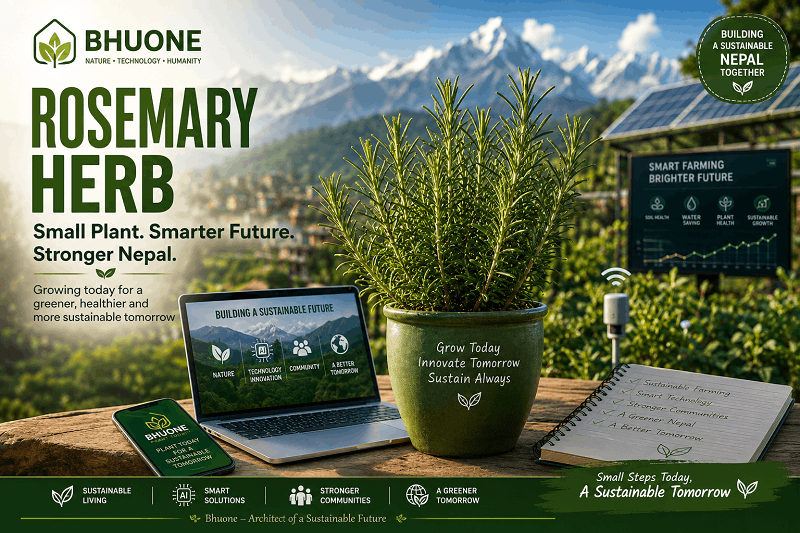
Rosemary Herb: 9 Incredible Reasons Every Home Needs This Healing Plant
Introduction
In many Nepali homes, a small kitchen garden has always been a source of pride. Whether it’s fresh coriander on a rooftop in Kathmandu, mint growing beside a village courtyard, or basil flourishing near the family temple, herbs have quietly connected generations with nature. Yet many people still overlook one remarkable plant that combines beauty, fragrance, resilience, and everyday usefulness—the Rosemary Herb.
As climate change, urbanization, and rising food prices reshape our lives, more families are rediscovering the value of growing useful plants at home. Herbs are no longer just ingredients for recipes; they represent self-reliance, healthier lifestyles, and a closer relationship with the environment.
The Rosemary Herb has become increasingly popular worldwide because it fits beautifully into this modern lifestyle. It is easy to grow, attractive throughout the year, supports pollinators, and can be used in cooking, gardening, and home landscaping. Nepal’s diverse climate—from the warmer Terai to many mid-hill regions—also offers promising conditions for cultivating rosemary with proper care. Research and agricultural experiences suggest growing interest in rosemary cultivation and essential oil production in Nepal.
At Bhuone, we believe technology should strengthen our relationship with nature rather than replace it. Every plant we grow is an opportunity to learn, innovate, and build stronger communities.
This article explores why the Rosemary Herb deserves a place in every home—not as a trend, but as a meaningful step toward a greener and more sustainable future.
Understanding Rosemary Herb in Nepal
The Rosemary Herb (Salvia rosmarinus, formerly Rosmarinus officinalis) is an evergreen aromatic shrub native to the Mediterranean region. For centuries, people have appreciated it for its distinctive fragrance, culinary uses, ornamental beauty, and essential oils.
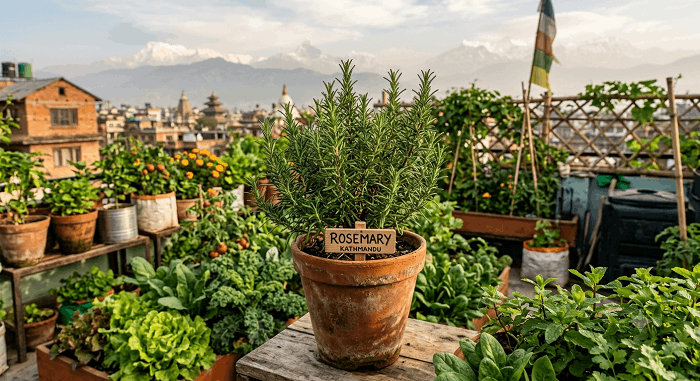
Unlike seasonal herbs, rosemary stays green throughout much of the year when grown in suitable conditions. Its needle-like leaves release a refreshing aroma when gently touched, making it a favorite for home gardens, balconies, restaurants, and herbal landscapes.
Why Is Rosemary Becoming Popular in Nepal?
Several factors are contributing to its growing popularity:
- Increasing interest in organic gardening
- Rising awareness of aromatic and culinary herbs
- Expansion of rooftop farming
- Demand from cafés and restaurants
- Interest in essential oil crops
- Young entrepreneurs exploring high-value agriculture
Nepal’s varied geography creates opportunities for cultivating herbs that once seemed limited to Europe or the Mediterranean. While rosemary prefers well-drained soil and plenty of sunlight, many parts of Nepal provide suitable growing conditions with proper management. Agricultural experts have highlighted rosemary as a promising aromatic crop for essential oil production and rural income diversification.
Why Every Home Can Benefit from Rosemary Herb
Growing a Rosemary Herb is about much more than adding greenery.
It represents:
- Living sustainably
- Producing fresh herbs locally
- Learning gardening skills
- Supporting biodiversity
- Beautifying homes naturally
Even a single pot on a balcony can become a daily reminder that nature thrives when we care for it.
At Bhuone, we often say:
Technology can make farming smarter, but plants make life richer.
Rosemary Herb in Nepali Home Gardening
Urban gardening has become increasingly popular in cities like Kathmandu, Pokhara, Lalitpur, Bharatpur, and Butwal.
Space is limited.
Time is limited.
Yet people still want fresh herbs.
That’s exactly where the Rosemary Herb fits perfectly.
Unlike many leafy vegetables that require constant watering and seasonal care, rosemary is relatively drought tolerant once established. It performs well in containers, making it suitable for:
- Rooftop gardens
- Apartment balconies
- Courtyards
- Kitchen gardens
- Educational gardens
- Community green spaces
Its evergreen appearance also makes it an attractive ornamental plant.
A Plant That Supports Pollinators
Healthy ecosystems depend on insects such as bees and butterflies.
When rosemary flowers bloom, they provide nectar that attracts valuable pollinators.
Pollinators contribute to:
- Better biodiversity
- Improved garden productivity
- Healthier ecosystems
- Sustainable food production
Even a few flowering rosemary plants can add ecological value to a home garden.
Why Rosemary Herb Matters Today
Modern life often disconnects us from nature.
Long working hours.
Concrete cities.
Digital lifestyles.
Fast food.
The result is a growing desire to reconnect with natural living.
The Rosemary Herb symbolizes this shift.
Rather than relying only on packaged products, many families now enjoy growing herbs they can harvest fresh from their own gardens.
1. Environmental Benefits
Every plant contributes to a healthier environment.
Rosemary helps by:
- Supporting urban greenery
- Providing habitat for pollinators
- Requiring relatively little water once established
- Helping diversify home gardens
Although one small herb cannot solve climate change, thousands of households growing useful plants collectively create greener communities.
2. Economic Opportunities
The Rosemary Herb is increasingly valued beyond home use.
Around the world it is used in:
- Culinary businesses
- Herb farming
- Landscaping
- Essential oil production
- Nurseries
- Garden centers
- Eco-tourism projects
Nepal’s aromatic plant sector has significant room for growth, and rosemary has been identified as one crop with commercial potential for cultivation and essential oil markets.
This creates opportunities for:
- Youth entrepreneurs
- Small farmers
- Women’s cooperatives
- Community nurseries
- Sustainable agriculture startups
3. Supporting Well-Being
Many people enjoy the fresh aroma of rosemary in kitchens and gardens, and it is widely appreciated for culinary and aromatic purposes.
While rosemary has a long history of traditional use, it’s important to remember that herbs are not substitutes for professional medical advice or treatment. Enjoy rosemary as part of a balanced lifestyle rather than as a cure for illness.
4. Culinary Value
Fresh rosemary transforms ordinary meals.
It is commonly used with:
- Roasted potatoes
- Baked vegetables
- Soups
- Bread
- Pasta
- Grilled dishes
- Herbal teas (prepared appropriately)
Its distinctive flavor means only a small amount is usually needed.
5. Educational Value for Children
Children learn best by growing.
Watching a rosemary plant develop teaches lessons about:
- Patience
- Responsibility
- Plant biology
- Sustainability
- Water conservation
These experiences often inspire lifelong respect for nature.
A Growing Opportunity in Nepal
As interest in herbs grows, obtaining healthy planting material is becoming easier.
For readers who would like to start growing rosemary, healthy nursery plants are available from Plant Nepal:
https://plantnepal.com/product/rosemary-plant/
Starting with a young, healthy plant can make cultivation easier for beginners.
Connecting with the Bhuone Community
Bhuone is more than a website—we are building a community where nature, technology, and humanity grow together.
Join us for gardening ideas, sustainable living tips, AI innovations, and community discussions:
- Facebook: https://www.facebook.com/BhuoneOfficial
- Instagram: https://www.instagram.com/bhuone.com.np/
You can also explore more updates and connect with us through the Bhuone website. Bhuone Contact Page
Suggested Internal Links
- Sustainable Home Gardening Guide
- AI and Smart Farming in Nepal
References
- Nepal conference paper on rosemary cultivation and essential oils.
- Bhuone official contact page.
The 9 Incredible Reasons Every Home Needs Rosemary Herb
Growing a Rosemary Herb is about much more than adding another plant to your garden. It brings together beauty, sustainability, culinary creativity, learning, and economic opportunity. Whether you live in a city apartment or a rural village, rosemary can become a small but meaningful part of everyday life.
1. Rosemary Herb Beautifies Every Space Naturally
A home filled with greenery feels more welcoming and peaceful. Rosemary’s evergreen foliage and compact growth make it an attractive addition to balconies, windowsills, rooftop gardens, patios, and courtyards.
Unlike many seasonal plants, rosemary remains visually appealing throughout the year with proper care. Its pleasant fragrance also creates a refreshing atmosphere without relying on artificial air fresheners.
Ideal places to grow rosemary:
- Balcony gardens
- Rooftop farms
- Kitchen windows
- Office desks (with sunlight)
- Restaurant entrances
- Café gardens
- School gardens
2. Rosemary Herb Encourages Sustainable Living
Sustainability begins with small daily choices. Growing herbs at home reduces dependence on packaged products and encourages responsible use of natural resources.
A single rosemary plant can inspire families to:
- Grow more herbs
- Compost kitchen waste
- Save water through efficient irrigation
- Reduce transportation-related emissions by harvesting fresh herbs at home
These simple habits contribute to greener communities over time.
3. Rosemary Herb Supports Culinary Creativity
Fresh herbs elevate everyday meals. Rosemary is commonly used in Mediterranean cuisine and is increasingly finding a place in Nepali fusion cooking.
Some delicious ideas include:
- Herb-infused roasted potatoes
- Fresh vegetable soups
- Homemade herb butter
- Pizza toppings
- Fresh bread
- Herbal vinegar
- Olive oil infusions
- Grilled mushrooms
- Roasted paneer
- Vegetable marinades
Its distinctive aroma means that a little goes a long way.
4. Rosemary Herb Can Inspire New Home Businesses
Many successful businesses begin with one simple idea.
A few healthy rosemary plants can become the foundation for a small home-based venture.
Possible products include:
- Potted rosemary plants
- Decorative herb baskets
- Organic herb gift sets
- Culinary herb bundles
- Dried rosemary leaves
- Sustainable gardening workshops
- Rooftop garden consultation
- Eco-friendly home décor using herbs
These ideas require planning, quality control, and compliance with local regulations, but they illustrate how one plant can spark entrepreneurial thinking.
5. Rosemary Herb Fits Urban Farming Perfectly
Urban agriculture is becoming increasingly important as cities expand.
The Rosemary Herb grows well in containers, making it suitable for people who have limited land.
It can thrive in:
- Clay pots
- Cement planters
- Raised beds
- Wooden boxes
- Vertical gardens
- Smart irrigation systems
Even renters can enjoy gardening without owning land.
6. Rosemary Herb Attracts Helpful Pollinators
Healthy gardens depend on biodiversity.
When rosemary flowers bloom, bees and other beneficial insects visit the plant in search of nectar.
These pollinators support nearby flowering vegetables and fruit crops, helping maintain healthy ecosystems.
A diverse garden is often a more resilient garden.
7. Rosemary Herb Teaches Patience and Responsibility
Gardening is one of the best teachers.
Children who help water plants, observe growth, and care for herbs often develop valuable life skills, including:
- Responsibility
- Observation
- Patience
- Environmental awareness
- Appreciation for food production
These lessons cannot always be learned from screens alone.
8. Rosemary Herb Connects Tradition with Innovation
Throughout history, herbs have been valued for their culinary, aromatic, and cultural significance.
Today, modern technology allows us to cultivate these plants more efficiently through innovations such as:
- Soil moisture sensors
- Smart irrigation
- Weather forecasting apps
- AI-assisted crop monitoring
- Precision farming tools
Rosemary demonstrates how traditional gardening and modern technology can work together.
9. Rosemary Herb Inspires a Greener Future
Perhaps the greatest value of rosemary is symbolic.
One healthy plant reminds us that sustainability begins at home.
Every garden started.
Every child inspired.
Every pollinator supported.
Every entrepreneur encouraged.
Together, these small actions create lasting positive change.
The Role of Technology, AI & Innovation in Rosemary Herb Farming
At Bhuone, we believe technology should empower people while protecting nature.
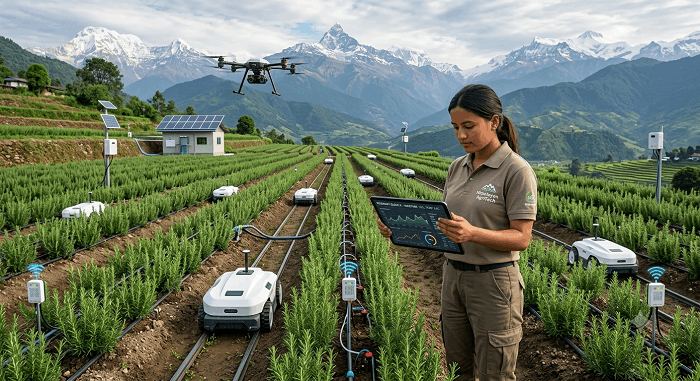
Agriculture is entering a new era where farmers can use data and automation to make informed decisions.
Imagine a small rosemary farm in Nepal using affordable digital tools.
Instead of guessing when to water the plants, sensors provide accurate information.
Instead of relying only on observation, AI analyzes plant health from smartphone photos.
Instead of wasting water, automated irrigation delivers the right amount at the right time.
This is not science fiction—it is already becoming reality in many parts of the world.
AI Applications in Rosemary Herb Cultivation
Artificial Intelligence can assist growers by:
- Detecting nutrient deficiencies through image recognition
- Monitoring plant growth
- Predicting irrigation needs
- Identifying pest symptoms early
- Forecasting weather-related risks
- Optimizing fertilizer schedules
- Estimating harvest timing
These technologies are becoming more affordable, making them increasingly accessible to small and medium-sized farms.
Smart Farming Technologies Suitable for Nepal
Many digital tools are scalable for Nepal’s agricultural landscape.
Examples include:
Smart Irrigation
Water is supplied only when soil moisture falls below a desired level.
Benefits:
- Water conservation
- Reduced labor
- Healthier plants
Weather Monitoring
Weather apps and local forecasting help farmers prepare for:
- Heavy rainfall
- Frost
- Heat waves
- Strong winds
Planning ahead reduces crop losses.
Drone Technology
Although currently more common on larger farms, drones may eventually support:
- Crop mapping
- Field monitoring
- Disease detection
- Precision spraying (where appropriate and regulated)
Farm Management Apps
Digital record-keeping allows growers to track:
- Expenses
- Harvests
- Sales
- Plant health
- Customer orders
Data-driven decisions improve long-term sustainability.
Practical Ways to Apply Rosemary Herb at Home
Growing rosemary is rewarding when basic needs are met.
Step 1: Choose a Healthy Plant
Beginners often succeed more easily by purchasing a healthy nursery-grown plant.
One trusted source in Nepal is:
Plant Nepal
https://plantnepal.com/product/rosemary-plant/
Look for:
- Healthy green leaves
- Strong stems
- No signs of pests
- Well-developed roots
Step 2: Select the Right Pot
Choose a container with drainage holes.
Recommended size:
- 10–14 inches for beginners
Avoid waterlogged soil.
Step 3: Use Well-Drained Soil
Rosemary dislikes standing water.
A suitable growing mix may include:
- Garden soil
- Sand or perlite
- Compost
The goal is good drainage rather than heavy, compact soil.
Step 4: Provide Plenty of Sunlight
Rosemary generally prefers:
- 6–8 hours of sunlight daily
South-facing balconies often work well.
Step 5: Water Wisely
Overwatering is one of the most common mistakes.
A simple rule:
Check whether the top layer of soil has dried before watering again.
Step 6: Prune Regularly
Occasional trimming encourages bushier growth and helps maintain an attractive shape.
Avoid removing excessive foliage at one time.
Step 7: Harvest Responsibly
Take only small portions from mature plants.
Regular but moderate harvesting encourages healthy growth.
Rosemary Herb and New Commerce Ideas in Nepal
The future of agriculture is not only about producing food.
It is about creating value.
The Rosemary Herb opens opportunities across multiple sectors.
1. Specialty Herb Farming
Supply restaurants, hotels, cafés, and organic markets.
2. Eco-Friendly Gift Business
Offer beautifully packaged rosemary plants for:
- Weddings
- Corporate gifts
- Festivals
- Housewarming celebrations
Living gifts often leave a lasting impression.
3. Community Nurseries
Youth groups and cooperatives can establish local nurseries that grow herbs and educate residents about sustainable gardening.
4. Educational Workshops
Schools and colleges increasingly value hands-on environmental learning.
Workshops could cover:
- Herb gardening
- Composting
- Smart farming
- AI in agriculture
- Urban gardening
5. Agritourism Experiences
Visitors enjoy interactive farm activities such as:
- Harvesting herbs
- Learning propagation techniques
- Exploring aromatic gardens
- Participating in sustainable farming demonstrations
These experiences can diversify rural incomes while promoting environmental awareness.
Bhuone Insight
At Bhuone, we believe Nepal has an incredible opportunity to combine its rich agricultural heritage with modern technologies like AI, robotics, and sustainable farming. A simple plant like Rosemary Herb can become more than a kitchen ingredient—it can inspire entrepreneurship, strengthen communities, and encourage young innovators to build a greener future.
Rather than choosing between nature and technology, we envision a future where both work hand in hand for the well-being of people and the planet.
Challenges & Honest Limitations of Growing Rosemary Herb
Every plant has its strengths and weaknesses, and Rosemary Herb is no exception. While it is often described as a hardy and low-maintenance herb, successful cultivation still requires understanding its natural growing conditions. Honest conversations about these challenges help gardeners and farmers make better decisions and build trust within the community.
At Bhuone, we believe sustainable agriculture is not about promising perfect results. It is about learning from nature, adapting with technology, and sharing knowledge openly.
1. Climate Adaptation in Nepal
Nepal’s diverse geography offers opportunities for growing rosemary, but not every region provides ideal conditions year-round.
Some challenges include:
- High humidity during the monsoon season
- Waterlogged soil in areas with poor drainage
- Heavy frost in colder mountain regions
- Extremely hot conditions in parts of the Terai during summer
Fortunately, many of these challenges can be managed by selecting suitable planting locations, using raised beds or containers, and ensuring proper drainage.
2. Overwatering: The Most Common Mistake
Many beginners assume that all herbs need frequent watering. Rosemary actually prefers soil that dries slightly between watering.
Signs of overwatering may include:
- Yellowing leaves
- Root rot
- Slow growth
- Fungal problems
A simple habit—checking the top layer of soil before watering—can prevent many issues.
3. Limited Awareness Among Consumers
Although herbs such as coriander, mint, and basil are familiar to most Nepali households, rosemary is still relatively new to many families.
People may not know:
- How to cook with it
- How to grow it
- Where to buy healthy plants
- How to preserve harvested leaves
This creates both a challenge and an opportunity. Educational content, workshops, and community gardening initiatives can help bridge this knowledge gap.
4. Market Development
For commercial growers, producing rosemary is only part of the journey. Building a sustainable business also requires:
- Reliable buyers
- Quality standards
- Consistent supply
- Good packaging
- Market awareness
Farmers considering commercial cultivation should research local demand and explore partnerships with restaurants, cafés, nurseries, and specialty food stores.
5. Responsible Expectations
Rosemary has a long history of traditional culinary and aromatic use. However, it should not be promoted as a miracle solution for health conditions.
Enjoy rosemary as:
- A flavorful culinary herb
- A fragrant garden plant
- A beautiful ornamental shrub
- A valuable addition to sustainable home gardening
For medical concerns, readers should always seek advice from qualified healthcare professionals.
Future Scope & Opportunities of Rosemary Herb in Nepal
Nepal is entering an exciting period where agriculture, innovation, and entrepreneurship are increasingly connected. As consumers become more interested in organic products, eco-friendly lifestyles, and local production, herbs like rosemary can play a meaningful role.
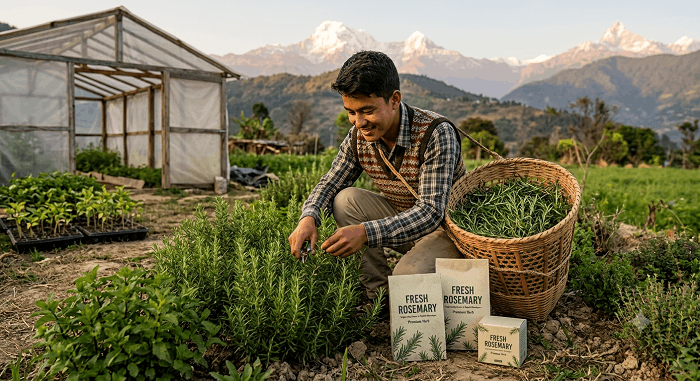
1. High-Value Herb Farming
Compared to many traditional crops, aromatic herbs often offer higher value per unit area when grown and marketed effectively.
Potential markets include:
- Hotels
- Restaurants
- Cafés
- Organic grocery stores
- Farmers’ markets
- Landscaping companies
Rather than replacing staple crops, rosemary can complement diversified farming systems.
2. Essential Oil Industry
Rosemary is known internationally as a source of essential oil used in fragrances, cosmetics, and personal care products. Producing essential oils requires specialized equipment, quality standards, and compliance with regulations, but it represents one possible avenue for value addition in Nepal.
Local entrepreneurs could explore partnerships with cooperatives, research institutions, and processors to better understand market requirements.
3. Youth Entrepreneurship
Many young Nepalis are looking for careers that combine sustainability, innovation, and meaningful work.
A rosemary-based enterprise could include:
- Nursery production
- Urban gardening services
- Herb subscription boxes
- Eco-friendly gifts
- Educational workshops
- Digital agriculture consulting
Technology can help these businesses reach customers through social media, online marketplaces, and community networks.
4. Women-Led Community Enterprises
Women’s groups and cooperatives have already demonstrated success across Nepal in agriculture and local enterprise.
Rosemary cultivation could support activities such as:
- Community nurseries
- Herb gardens
- Sustainable landscaping
- Value-added herb products
- Gardening education
These initiatives can strengthen local economies while encouraging environmental stewardship.
5. Smart Farming and AI Integration
The future of agriculture is increasingly data-driven. Affordable technologies are becoming accessible even for small growers.
Imagine a rosemary farm where:
- Soil moisture sensors reduce water waste.
- Mobile apps record plant growth.
- AI-powered image recognition helps identify plant stress early.
- Weather forecasts guide irrigation schedules.
This blend of traditional knowledge and digital tools aligns closely with Bhuone’s vision of connecting nature and technology.
New Commerce Ideas Around Rosemary Herb
Innovation often begins with seeing familiar things in new ways. Rosemary is more than a culinary herb—it can inspire diverse, sustainable business models.
Eco-Friendly Gift Plants
Offer beautifully potted rosemary plants for:
- Housewarming gifts
- Weddings
- Corporate appreciation
- Festivals
- School events
Living gifts carry a lasting message of growth and care.
Rooftop Garden Consultation
As urban gardening grows, experienced gardeners can provide:
- Garden design
- Plant selection
- Maintenance guidance
- Smart irrigation setup
Rosemary can be one of several herbs featured in these services.
Sustainable Café Partnerships
Local cafés and restaurants increasingly value fresh, locally sourced herbs. Building direct relationships with chefs can create consistent demand while reducing transportation distances.
Educational Content Creation
Blogs, videos, and workshops focused on herb gardening, AI in agriculture, and sustainable living can educate communities while opening new professional opportunities.
Common Myths & Truths About Rosemary Herb
Myth 1: Rosemary can grow anywhere without care.
Truth: While rosemary is relatively hardy, it still needs well-drained soil, sunlight, and appropriate watering.
Myth 2: More water means faster growth.
Truth: Excess water is one of the biggest reasons rosemary struggles. Good drainage is more important than frequent watering.
Myth 3: Rosemary is only useful for cooking.
Truth: In addition to culinary use, rosemary is appreciated as an ornamental plant, a pollinator-friendly shrub, and part of sustainable home gardens.
Myth 4: Only experienced gardeners can grow rosemary.
Truth: With basic knowledge and patience, beginners can successfully grow rosemary in containers or small gardens.
Myth 5: Herbs have no economic value.
Truth: Around the world, herbs contribute to industries such as horticulture, landscaping, specialty foods, nurseries, and value-added agricultural products.
The Bhuone Perspective: Nature, Technology & Humanity
At Bhuone, we do not see technology and nature as competing forces. Instead, we believe they can strengthen one another when used thoughtfully.
Our journey began with a passion for IT, computing, AI, and innovation, but it has always been grounded in something deeper: a respect for people, communities, and the environment.
For more than eight years, our work in technology has shown us that innovation has the greatest impact when it solves real problems. Whether it is a smart irrigation system helping conserve water, an AI tool supporting farmers, or a simple herb growing on a family balcony, each step toward sustainability matters.
The Rosemary Herb reflects this philosophy perfectly. It is modest, resilient, and practical. It reminds us that meaningful change often starts with small actions—a single plant, a shared idea, a child learning to garden, or a young entrepreneur exploring sustainable agriculture.
Bhuone is not just about digital transformation or farming. It is about building bridges:
- Between nature and technology.
- Between traditional wisdom and modern innovation.
- Between local communities and global knowledge.
- Between today’s challenges and tomorrow’s opportunities.
When we nurture both plants and people, we cultivate something far greater than a garden—we cultivate hope.
Conclusion: Growing a Better Future, One Rosemary Plant at a Time
Every meaningful journey begins with a small step. Sometimes, that step is as simple as planting a single herb.
The Rosemary Herb is more than an attractive evergreen plant. It represents resilience, creativity, sustainability, and the growing connection between people and nature. Whether you are cultivating it on a sunny balcony in Kathmandu, in a kitchen garden in Pokhara, or as part of a diversified farm in rural Nepal, rosemary reminds us that positive change often starts at home.
At Bhuone, we believe that the future belongs to communities willing to learn, innovate, and care for the environment together. Technology—including artificial intelligence, smart irrigation, and digital agriculture—can make farming more efficient, but it should always complement nature rather than replace it.
As someone who has spent more than eight years working in IT and computing, I have seen how innovation can transform industries. Yet some of the most meaningful innovations are surprisingly simple: helping a family grow fresh herbs, encouraging a child to care for a plant, or enabling a farmer to make better decisions using data.
The future of Nepal’s agriculture does not depend on choosing between tradition and technology. It depends on bringing them together with wisdom, humility, and purpose.
If this article inspires you to grow your first Rosemary Herb, share your experience with family, neighbors, and friends. Every balcony garden, rooftop farm, and community nursery contributes to a greener, healthier, and more sustainable future.
Let’s continue building a world where Nature, Technology, and Humanity grow together.
Frequently Asked Questions (FAQs)
1. Is Rosemary Herb easy to grow in Nepal?
Yes. Rosemary can be grown successfully in many parts of Nepal, particularly in areas with good sunlight and well-drained soil. Container gardening is an excellent option for urban homes.
2. How much sunlight does Rosemary Herb need?
Rosemary generally performs best with 6–8 hours of direct sunlight each day.
3. How often should I water Rosemary Herb?
Water only when the top layer of soil has become dry. Avoid keeping the soil constantly wet, as rosemary prefers good drainage.
4. Can Rosemary Herb be grown in pots?
Absolutely. It grows well in containers with drainage holes, making it ideal for balconies, terraces, and small gardens.
5. Is Rosemary Herb suitable for beginners?
Yes. With adequate sunlight, proper watering, and well-drained soil, rosemary is considered one of the more beginner-friendly herbs to grow.
6. Where can I buy Rosemary Herb in Nepal?
Healthy rosemary plants are available from trusted nurseries. One option is:
Plant Nepal
https://plantnepal.com/product/rosemary-plant/

