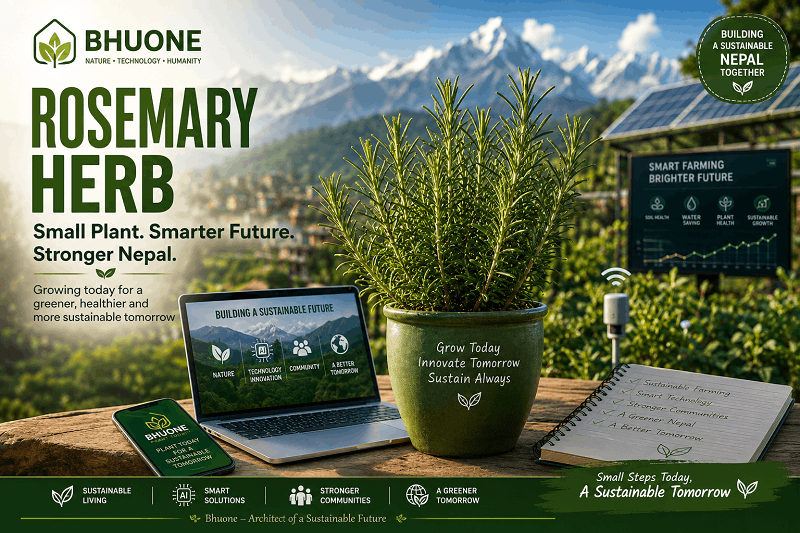
Eco Business Ideas Nepal: 15 Powerful Ways to Respect Nature and Life
One morning while walking near the Bagmati river, I met a young street vendor selling tea in plastic cups. The cups floated into the river after every customer left. A few meters away, a farmer was struggling to irrigate his field because the water channel was blocked by waste. This simple moment reflects a bigger reality in Nepal: economic survival and environmental destruction often walk together, not because people want to harm nature, but because systems are broken and awareness is limited.
Nepal stands at a crossroads. Urbanization is accelerating, youth migration is rising, and climate stress is increasing. At the same time, technology, education, and global connectivity are opening new possibilities. This is where Eco Business Ideas Nepal becomes more than a concept — it becomes a responsibility. Eco business means creating livelihoods that protect land, water, air, culture, and human dignity while still sustaining families and communities.
Eco business is not about greed or fast profit. It is about harmony between people and planet. When business respects nature, nature supports life. When technology supports wisdom, innovation becomes healing. Nepal has the wisdom of ancestors and the energy of youth — the perfect combination to build a regenerative future.
Let us explore how eco business can become a powerful path toward healing our land and uplifting our people.
This article explores how Eco Business Ideas Nepal can guide individuals, youth groups, and communities toward responsible livelihoods without harming nature.
🌿 Understanding Eco Business Ideas Nepal in Local Context
Eco business refers to enterprises designed to reduce environmental harm, regenerate ecosystems, and create positive social impact. In Nepal, eco business is deeply connected with traditional lifestyles such as organic farming, forest stewardship, local craftsmanship, herbal medicine, community cooperation, and respectful consumption.
If you want to explore how land restoration connects deeply with sustainability, you may also read our detailed reflection on soil health and regenerative farming in Nepal.
When we speak about Eco Business Ideas Nepal, we refer to business models that:
-
Use renewable or low-impact resources
-
Minimize waste and pollution
-
Strengthen local communities
-
Preserve cultural knowledge
-
Encourage long-term ecological balance
Nepal’s geography offers diverse eco opportunities — from high mountain herbs to fertile plains, from river-based energy to rooftop farming in cities. Rural areas can revive sustainable agriculture while urban areas can innovate circular economy solutions.
Eco business is not limited to farmers. Engineers, designers, software developers, educators, and youth innovators all have roles to play in building sustainable ecosystems.
🌎 Why Eco Business Ideas Nepal Matters Today
🌱 Environmental Stability
Climate change is impacting Nepal through unpredictable rainfall, landslides, droughts, and glacial melt. Unsustainable practices accelerate these risks. Eco business helps restore balance by protecting forests, improving soil health, conserving water, and reducing plastic waste.
International environmental policy frameworks like the UNEP green economy framework provide valuable guidance on building inclusive and environmentally responsible economies.
❤️ Public Health & Wellbeing
Chemical food, polluted air, and unsafe water contribute to rising health problems. Eco businesses that provide organic food, clean energy, natural products, and green spaces improve both physical and mental health.
🤝 Social Resilience
Community-centered businesses create local employment, reduce urban migration, empower women, and preserve cultural identity. Strong local economies build social harmony.
💡 Long-Term Economic Strength
Sustainable enterprises reduce dependency on imports, increase local self-reliance, and adapt better to crises. Eco Business Ideas Nepal builds resilience rather than vulnerability.
🤖 Role of Technology, AI & Innovation in Eco Business
Technology should not replace nature — it should protect and enhance it. With over eight years of experience in IT and computing, and deep interest in AI and automation, I strongly believe responsible technology can amplify sustainability.
For beginners, starting small and learning slowly is the healthiest way to explore Eco Business Ideas Nepal without financial or environmental pressure.
When applied wisely, digital tools strengthen Eco Business Ideas Nepal by improving efficiency without increasing ecological pressure.
Global organizations such as the FAO sustainable agriculture initiatives demonstrate how technology and ecological farming can work together to protect food systems worldwide.
🌾 Smart Agriculture
-
Soil sensors optimize water usage
-
AI disease detection reduces pesticide dependence
-
Weather forecasting improves crop planning
-
Automated irrigation conserves energy
🔋 Renewable Energy Innovation
-
Solar-powered cold storage
-
Smart micro-hydropower systems
-
Battery optimization software
-
Community energy monitoring
📊 Data for Sustainability
-
Carbon footprint tracking
-
Crop yield analytics
-
Waste flow optimization
-
Water conservation monitoring
🤖 Robotics & Automation
-
Greenhouse climate control
-
Automated compost processing
-
Vertical farming systems
-
Aquaponics monitoring
Technology must remain ethical, accessible, and community-centered.
🌱 15 Powerful Eco Business Ideas Nepal Can Embrace
1️⃣ Organic Microgreens Farming (Rooftop / Balcony)
What it is: Growing young edible greens (7–21 days) like radish, sunflower, broccoli, mustard, pea shoots.
Why it matters: Microgreens use little space and water, and reduce food miles. Fresh nutrition in cities means less packaging and transport emissions.
How to start (Nepal-ready):
-
Use trays + cocopeat/compost mix
-
Start with 2–3 varieties (radish, pea, mustard)
-
Sell to nearby cafes, health-conscious families, small organic shops
Tech/AI angle: Simple: moisture sensor + schedule reminders. Advanced: light optimization for indoor setups.
Limitations: Need hygiene, consistent demand, and steady seed supply.
2️⃣ Vermicomposting Enterprise (Worm Compost)
What it is: Converting kitchen waste + farm waste into rich compost using earthworms.
Why it matters: Nepal’s biggest hidden pollution problem is unmanaged organic waste. Vermicompost returns life to soil and reduces landfill methane.
How to start:
-
Start at home with 2–3 bins
-
Partner with a local vegetable market/hostel for waste collection
-
Package compost in small bags (2kg/5kg) for home gardeners
Tech/AI angle: Track temperature/moisture; simple WhatsApp ordering; QR labels with usage guide.
Limitations: Smell/pests if done wrong; requires training and consistent feed.
3️⃣ Herbal Tea + Medicinal Plant Cultivation
What it is: Growing and drying tulsi, lemongrass, mint, chamomile, timur blends, ginger, turmeric, and local herbs for tea.
Why it matters: Preserves Nepali herbal culture, supports local farmers, reduces dependency on imported packaged drinks.
How to start:
-
Begin with 1–2 herbs + simple solar drying
-
Create clean packaging (paper-based if possible)
-
Sell as “local wellness ritual” (not medical claims)
Tech/AI angle: Weather-based drying schedule, inventory tracking, e-commerce listings, QR story about the farmer.
Limitations: Need quality control (drying/moisture), clean storage, and consistent taste.
4️⃣ Eco-Bricks / Upcycled Building Materials
What it is: Making bricks/blocks/pavers using plastic waste mixed with sand or other binders, or compressing waste into usable materials.
Why it matters: Plastic waste is a disaster in rivers and cities. Turning it into durable materials supports circular economy.
How to start:
-
Start with community waste collection + partnerships
-
Work with engineers for safe standards
-
Focus on pavers, non-structural blocks first
Tech/AI angle: Sorting automation ideas, material tracking, quality test documentation.
Limitations: Safety and standards are essential. Must avoid unsafe methods and emissions.
5️⃣ Bamboo Products (Modern + Traditional)
What it is: Bamboo furniture, baskets, lamps, fencing, packaging, and simple home items.
Why it matters: Bamboo grows fast, stores carbon, replaces plastic and wood from deforestation. Also supports Nepali craftsmanship.
How to start:
-
Start with 3–5 products (planters, baskets, small furniture)
-
Build a design identity: “simple, durable, local”
-
Sell through online + local artisan markets
Tech/AI angle: Design prototypes, CNC cutting partnership, online catalog, AR preview for furniture.
Limitations: Requires good treatment (anti-pest, drying). Quality decides reputation.
6️⃣ Solar Dryer Food Processing (Zero-Waste Harvest)
What it is: Using solar dryers to preserve surplus fruits/vegetables: apples, tomatoes, mushrooms, chilies, leafy greens, herbs.
Why it matters: Nepal wastes huge farm produce due to storage gaps. Solar drying reduces waste and adds value without heavy energy use.
How to start:
-
Build simple solar dryer (local carpenter + polycarbonate/mesh)
-
Start with one product (dried tomato, dried mushroom, dried herbs)
-
Sell to kitchens, hotels, trekking shops
Tech/AI angle: Moisture-level tracking, packaging date tracking, demand prediction.
Limitations: Needs hygiene and proper packaging to avoid mold.
7️⃣ Rainwater Harvesting + Water Storage Services
What it is: Installing gutters, first-flush systems, storage tanks, and filtration for homes/schools/offices.
Why it matters: Water scarcity is becoming a daily stress in many Nepali cities. Capturing rain is respectful to nature and practical. Every step in this guide is designed to make Eco Business Ideas Nepal practical, affordable, and accessible for beginners.
How to start:
-
Start as service-based business (installation + maintenance)
-
Offer small packages (basic/standard/premium)
-
Target schools and community buildings first
Tech/AI angle: Smart water-level sensors, leak alerts, maintenance reminders.
Limitations: Needs proper filtration; seasonal supply; tanks require space.
8️⃣ Natural Soap / Shampoo / Cleaning Products
What it is: Plant-based soaps, dishwashing bars, shampoo bars with simple ingredients (no harsh chemicals).
Why it matters: Reduces chemical pollution in water systems and encourages mindful consumption.
How to start:
-
Start with 1–2 products (soap + dishwashing bar)
-
Clear labeling + skin-friendly tests (avoid medical promises)
-
Use refillable or paper packaging
Tech/AI angle: Inventory management, customer feedback loops, small e-commerce setup.
Limitations: Must maintain consistent quality; some people are sensitive to scents.
9️⃣ Indigenous Seed Saving + Community Seed Bank
What it is: Collecting, storing, and exchanging local seeds (rice, millet, beans, vegetables) with community.
Why it matters: Seed sovereignty protects biodiversity and reduces dependence on imported hybrid-only systems. It’s culture + food security combined.
How to start:
-
Start with documentation: who has what seed?
-
Build small seed library (proper jars, labels, dryness control)
-
Host seasonal seed exchange events
Tech/AI angle: Simple seed database, QR labels with history, community WhatsApp group.
Limitations: Needs discipline, storage knowledge, and trust-based sharing.
🔟 Aquaponics Systems (Fish + Plants Circular Farming)
What it is: Fish waste feeds plants; plants clean water for fish. A circular system.
Why it matters: Saves water, reduces chemical fertilizers, produces protein + vegetables together—perfect for Nepal’s limited land and water stress.
How to start:
-
Start small: 1 fish tank + 2 grow beds
-
Use hardy fish suited to climate and legal norms
-
Train users on water quality basics
Tech/AI angle: Sensors (pH/temp), automated feeding, alerts, dashboard.
Limitations: Technical learning curve; power backup needed; beginners may face initial losses.
1️⃣1️⃣ Biogas Plant Installation + Maintenance
What it is: Turning animal manure and organic waste into cooking gas and organic slurry fertilizer.
Why it matters: Reduces firewood use (protect forests), improves indoor air quality, manages waste responsibly.
How to start:
-
Begin as service provider: installation, repair, training
-
Partner with rural households and cooperatives
-
Promote slurry compost use for soil health
Tech/AI angle: Simple monitoring, maintenance schedule system, community helpline.
Limitations: Needs continuous feedstock; cold season efficiency can drop.
1️⃣2️⃣ Eco-Tourism Homestays (Culture + Nature)
What it is: Homestays based on local food, culture, farming, hiking, craft learning, village experiences.
Why it matters: Protects culture, rewards conservation, brings income without heavy industry.
How to start:
-
Focus on authentic experience: local meals, storytelling, clean rooms
-
Train in hospitality + waste management
-
Promote “no plastic, local food” rules
Tech/AI angle: Online booking, simple website, Google Maps optimization, translation help.
Limitations: Seasonality; requires cleanliness and consistency.
1️⃣3️⃣ Natural Fiber Clothing (Hemp/Cotton/Wool)
What it is: Ethical clothing made from local fibers with fair labor, durable designs, and low chemical dye.
Why it matters: Fast fashion is destroying ecosystems globally. Nepal has traditional weaving culture and potential to lead ethical fashion.
How to start:
-
Start with small line: shawls, bags, simple shirts
-
Use local weaving groups (community benefit)
-
Build story: “who made it, how it helps”
Tech/AI angle: Design mockups, e-commerce catalog, supply chain transparency with QR.
Limitations: Sourcing consistency, quality control, and pricing vs cheap imports.
1️⃣4️⃣ Community Recycling Hub (Collection + Sorting + Awareness)
What it is: A neighborhood center that collects waste, sorts it, and sends it to recyclers, plus awareness programs.
Why it matters: Nepal needs decentralized waste solutions. Sorting at source is the real game changer.
How to start:
-
Start with one ward/community
-
Provide separate bins and collection schedule
-
Monetize through service fee + sale of recyclables
Tech/AI angle: Route optimization, QR-based pickup requests, data dashboard for waste reduction.
Limitations: Needs behavior change; depends on recycler network availability.
1️⃣5️⃣ Urban Green Roof & Balcony Garden Consulting
What it is: Helping homes/offices build rooftop gardens, balcony gardens, vertical gardens, and mini food forests.
Why it matters: Cities overheat and lose biodiversity. Green roofs cool buildings, improve air, reduce stress, and grow food.
How to start:
-
Start with design + installation packages
-
Teach composting + watering methods
-
Offer maintenance subscription (optional)
Tech/AI angle: Moisture sensors, automated drip irrigation, plant care reminders via app/WhatsApp.
Limitations: Structural load checks, water-proofing, seasonal pests.
Each model reflects the spirit of Eco Business Ideas Nepal.
🌍 How Eco Business Ideas Nepal Strengthens Local Communities and Culture
When people talk about development, they often forget culture, soil, and human dignity. Eco Business Ideas Nepal reconnects enterprise with community wisdom, local skills, and respectful living. From village seed banks to rooftop gardens, these models protect traditions while creating modern opportunities. This balance makes Eco Business Ideas Nepal sustainable not only environmentally, but socially and emotionally as well.
The long-term success of Eco Business Ideas Nepal depends on community trust, ethical leadership, and continuous learning.
🛠️ Practical Ways to Apply Eco Business Ideas Nepal
Step 1: Identify Local Problems
Waste, water scarcity, food insecurity, unemployment.
Step 2: Start Small & Learn
Pilot projects reduce risk.
Step 3: Use Technology Wisely
Simple tools first.
Step 4: Build Community Trust
Transparency builds loyalty.
Step 5: Scale Responsibly
Protect ecosystems.
⚠️ Challenges & Honest Limitations
-
Limited funding access
-
Skill gaps
-
Policy uncertainty
-
Climate risks
-
Market awareness
Patience is essential.
🔮 Future Scope & Opportunities in Nepal
Schools, youth groups, cooperatives, and local governments can collaborate to scale Eco Business Ideas Nepal into long-term community solutions.
-
Youth-led green startups
-
Climate investment funds
-
Export organic markets
-
Smart farming ecosystems
-
Eco education platforms
Eco Business Ideas Nepal will define Nepal’s sustainable future. With rising awareness and youth innovation, Eco Business Ideas Nepal is becoming a foundation for Nepal’s green economy.
❌ Common Myths & Truths
Myth: Eco business is costly
Truth: Saves long-term cost
Myth: Tech harms nature
Truth: Tech protects ecosystems
Myth: Only rural applicable
Truth: Urban markets are huge
💚 Bhuone Perspective — Human Touch
Eco business is service. It is healing relationships between humans, land, and future generations. Technology should empower communities, not dominate them. Business should nourish life, not exhaust it.
Bhuone exists as a bridge between wisdom and innovation, humility and courage, nature and intelligence.
What truly matters is that Eco Business Ideas Nepal grows as a shared movement of conscious citizens who value soil, water, culture, and future generations more than short-term gain.
Many readers also find inspiration from our guide on sustainable living practices for everyday life, which explains how small daily habits shape long-term ecological balance.
You may explore related reflections on soil regeneration and sustainability on my website and connect with our growing community on Facebook and Instagram.
🌟 Conclusion
Eco Business Ideas Nepal is not a trend — it is a path of responsibility. Each choice we make today shapes the future of our children and the health of our mountains, rivers, and forests.
By embracing Eco Business Ideas Nepal, we choose responsibility over exploitation and wisdom over short-term profit.
Let us build enterprises that honor life and technology that serves wisdom.
Nature is not our resource. Nature is our teacher.